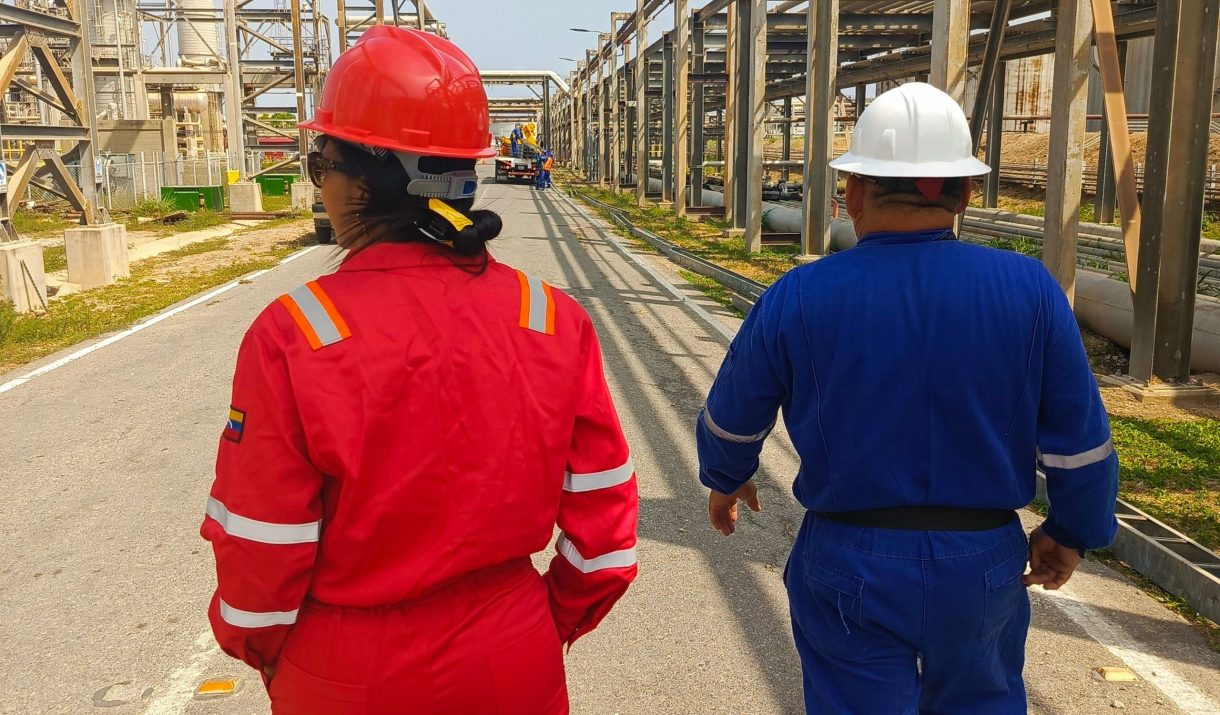


The UAE’s construction industry continues to attract workers from across the world, including skilled and experienced Kenyans. But getting a construction job in the UAE is about more than having a plane ticket and a toolbox. The right documents, skills, employment contract and work authorisation all matter.
For a Kenyan looking for work in Dubai, Abu Dhabi, Sharjah, Ajman or other parts of the UAE, understanding the process before travelling can save you from costly mistakes.
At Ogen Agency, we believe candidates should know what they are applying for, who they will work for and what is expected of them before they leave Kenya.
What Construction Jobs Are Available in the UAE?
Construction is a broad industry, and opportunities can range from entry-level site work to highly specialised professional positions.
Depending on current employer demand, vacancies may include:
General Construction Roles
- General labourers
- Construction helpers
- Site workers
- Mason assistants
- Material handlers
Skilled Trades
- Masons
- Carpenters
- Steel fixers
- Tile setters
- Painters
- Plumbers
- Electricians
- Welders
- HVAC technicians
- Gypsum installers
Machinery & Equipment
- Heavy equipment operators
- Crane operators
- Forklift operators
- Excavator operators
- Loader operators
- Drivers, where appropriately licensed
Supervisory & Professional Roles
- Site supervisors
- Foremen
- Quantity surveyors
- Civil engineers
- Mechanical engineers
- Electrical engineers
- Safety officers
- Project coordinators
The requirements vary considerably depending on the position.
A general labourer and a civil engineer should not expect to follow exactly the same application process.
1. Experience Can Make a Difference
If you are applying for a skilled construction position, employers may want evidence that you can actually perform the work.
For example, a carpenter may be expected to demonstrate experience with construction and finishing work, while an electrician may need appropriate technical qualifications and professional credentials.
Before applying, prepare:
- Updated CV
- Training certificates
- Trade certificates
- Academic qualifications where relevant
- Professional licences where applicable
- Previous employment/reference letters
- Evidence of relevant experience
For practical trades, your actual experience and demonstrated skills can be particularly important.
2. Your CV Should Be Construction-Focused
A common mistake is sending the same CV for every job.
If you are applying for a construction position, your CV should quickly show an employer:
What can you do?
How long have you done it?
Where have you worked?
What equipment or tools can you operate?
What qualifications do you have?
For example, instead of simply writing:
Construction Worker
you could clearly identify your experience, such as:
Mason with 5 years’ experience in blockwork, plastering, concrete works and finishing.
The goal is to make your experience easy for a recruiter to understand.
3. Professional Qualifications Matter
Some construction positions require more than practical experience.
Engineers, safety professionals, specialised technicians and other regulated occupations may need relevant qualifications, professional registration or licensing.
If you are applying as a:
- Civil engineer
- Electrical engineer
- Mechanical engineer
- Health and safety professional
- Licensed technician
- Specialist operator
find out whether your profession requires recognition or licensing in the UAE.
Do not assume that a Kenyan qualification automatically gives you permission to practise a regulated profession in the UAE.
4. Understand Your Employment Contract
Before travelling, make sure you understand your employment offer.
Your contract should give you a clear picture of your employment conditions, including matters such as:
Salary
How much will you earn?
Working hours
How many hours are you expected to work?
Overtime
How is additional work handled?
Accommodation
Will the employer provide accommodation?
Transport
How will you travel between accommodation and the workplace?
Medical/insurance arrangements
What coverage applies to your employment?
Leave
What leave arrangements are provided?
Contract duration
How long is the employment relationship?
Never rely solely on what someone tells you verbally.
Read the written employment terms before making the journey.
5. The UAE Work Permit Is Essential
A person cannot simply arrive in the UAE as a tourist and start working legally.
The appropriate employment and immigration procedures must be followed.
The UAE government explains that working in the country requires the appropriate work authorisation, and employers are responsible for obtaining the necessary work permit through the applicable process.
This is why candidates should be cautious if someone tells them:
“Come to Dubai on a visit visa. We will find you a job later.”
If your purpose is employment, make sure the proper employment process is being followed.
6. Don’t Confuse a Visit Visa With a Work Opportunity
Dubai’s attractions can make it tempting to travel first and look for work later.
But there is a major difference between:
visiting the UAE
and
being legally authorised to work in the UAE.
If you are recruited for a specific construction job, understand how the employer will process your employment and work authorisation before travelling.
Your journey should not depend on promises that paperwork will be “sorted out later.”
7. Medical Requirements
Employment-related immigration procedures may involve medical fitness requirements.
The exact requirements depend on the visa and employment process.
Candidates should therefore follow the official instructions provided for their particular application rather than relying on advice from friends or informal online sources.
Use genuine medical documents and follow the required procedures.
8. Construction Work Requires Safety Awareness
Construction is not ordinary office work.
Workers may encounter:
- Heavy machinery
- Heights
- Electrical equipment
- Moving vehicles
- Construction materials
- Dust and debris
- Hot weather
- Active construction sites
Employers may therefore require workers to follow strict health and safety procedures.
If you have construction experience, be prepared to demonstrate that you understand basic site safety.
For skilled workers, additional safety training or certifications may be required depending on the employer and role.
9. Working in UAE Heat Requires Preparation
Anyone travelling from Kenya to work outdoors in the UAE should understand the climate.
Construction work can involve long periods outdoors, and summer temperatures can be extremely high.
The UAE has introduced rules and measures relating to outdoor work during periods of extreme heat, including the annual Midday Break that restricts certain outdoor work during specified summer hours.
Workers should still take heat safety seriously.
Follow your employer’s safety instructions, stay hydrated and use the protective equipment provided.
10. Accommodation and Transport Are Important
A construction worker’s salary is only one part of the employment package.
Before accepting an offer, find out:
Where will I sleep?
How many people share the accommodation?
How far is it from the worksite?
Who provides transport?
How do I get to work?
Many construction workers live in employer-provided accommodation or designated worker housing.
Don’t wait until you arrive in the UAE to ask where you will be staying.
11. Know Who Your Employer Is
Before leaving Kenya, you should have clear information about your employer.
Keep:
- Company name
- Company address
- Supervisor/contact person
- Telephone number
- Employment contract
- Job location
- Accommodation details
- Recruitment contact
If you are being recruited through an agency, understand the relationship between you, the recruitment agency and the UAE employer.
12. Be Careful With Recruitment Fees
The excitement of getting a job abroad can sometimes make applicants rush into payments.
Before paying anything, ask:
What exactly is this payment for?
Who am I paying?
Will I receive documentation or a receipt?
Is the payment part of a legitimate recruitment process?
Avoid sending money simply because someone says:
“Pay today or the job will disappear.”
A legitimate opportunity should allow you to ask reasonable questions.
13. Prepare Your Documents
Before departure, create a complete employment folder.
Personal Documents
☐ Passport
☐ Kenyan ID
☐ Passport photographs
Employment Documents
☐ Job offer
☐ Employment contract
☐ Employer information
☐ Job description
Skills & Qualifications
☐ Trade certificate
☐ Academic certificate
☐ Professional licence where applicable
☐ Experience letters
☐ Updated CV
Travel Documents
☐ Appropriate visa/work authorisation
☐ Flight details
☐ Accommodation information
☐ Airport pickup information
Keep secure digital copies of these documents as well.
14. What Construction Employers Look For
While requirements vary by vacancy, employers commonly look for candidates who can demonstrate:
Reliability
Construction projects depend on workers showing up and completing assigned tasks.
Practical skills
Employers need people who can perform the job they were hired to do.
Safety awareness
Following site safety procedures is essential.
Teamwork
Construction projects involve different trades working together.
Physical readiness
Many construction roles involve demanding work and outdoor environments.
Relevant experience
Experience can make a candidate more competitive for skilled positions.
15. What If You Are a Beginner?
Not every construction opportunity requires years of experience.
Some entry-level roles may provide workplace training or involve assisting skilled workers.
However, don’t claim to have skills you do not possess.
If you are a beginner, be honest about your experience and look for positions whose requirements match your background.
Your first overseas job should be an opportunity to build your career—not a reason to misrepresent your qualifications.
16. A Simple UAE Construction Job Checklist
Before accepting an opportunity, ask yourself:
THE JOB
☐ Do I understand the position?
☐ Do I meet the requirements?
☐ Is the employer identified?
THE CONTRACT
☐ Have I read the contract?
☐ Do I understand the salary?
☐ Do I understand working hours?
☐ Do I understand accommodation and transport arrangements?
DOCUMENTS
☐ Is my passport valid?
☐ Are my certificates available?
☐ Is my CV updated?
☐ Have I completed the required medical/documentation process?
TRAVEL
☐ Is my employment/work authorisation properly arranged?
☐ Do I know where I will stay?
☐ Do I know who will meet me?
☐ Do I have emergency contacts?
SAFETY
☐ Do I understand construction-site safety?
☐ Do I know the UAE’s relevant workplace rules?
☐ Do I have the required protective equipment/training for my role?
The UAE Opportunity Starts With Preparation
For a Kenyan construction worker, getting a job in the UAE can be an important step toward building international experience and improving financial opportunities.
But don’t allow excitement to replace preparation.
Before you leave Kenya, make sure you understand:
The job.
The employer.
The contract.
The salary.
The accommodation.
The work authorisation.
The documents.
The working environment.
When you know these things before departure, you arrive with a much clearer picture of what lies ahead.
Looking for Construction Opportunities in the UAE?
Ogen Agency helps Kenyan candidates explore overseas employment opportunities and provides guidance through the recruitment journey, including application guidance, document preparation, interview support and pre-departure preparation.
Our goal is to help candidates pursue verified employment opportunities and understand the requirements before travelling.
Explore Opportunities
📞 072576084
📧 ogenmarketingagency@gmail.com
📱 Facebook & Instagram: @ogenagency
Ogen Agency
Connecting You to Global Opportunities.
Requirements vary according to the employer, occupation and UAE employment regulations. Candidates should confirm current visa, work-permit, professional-licensing and employment requirements through the relevant authorities before travelling.